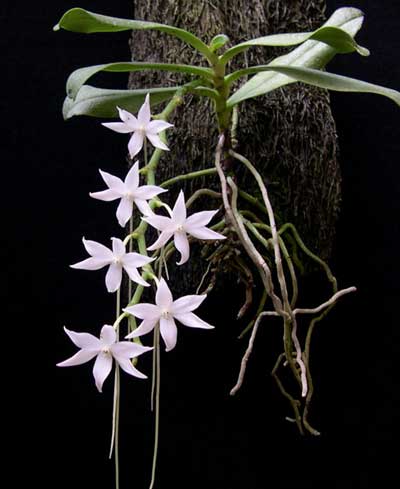
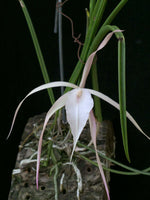
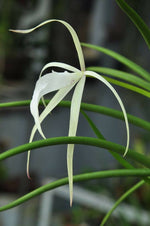
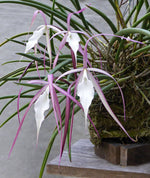
Nel nostro vivaio coltiviamo diverse varietà della stessa pianta. Le piante sono esseri viventi e quindi a volte differiscono l'una dall'altra. Variazioni di colore e dimensioni sono pertanto possibili.
Le immagini mostrate insieme ai nostri prodotti sono a scopo illustrativo. Queste foto offrono un'idea realistica di come potrebbe apparire la pianta se curata adeguatamente. Le specifiche indicate si riferiscono alla pianta che riceverete. Si prega di leggere attentamente le caratteristiche prima di effettuare l'ordine.
Cosa sono le immagini di esempio?
Disponiamo di un assortimento estremamente ampio e variegato, con migliaia di piante. Poiché le singole piante cambiano forma, colore e dimensione di settimana in settimana, è impossibile per il nostro piccolo team fotografarle tutte.
È quindi raro che riceviate esattamente la pianta identica alla foto. Il nostro obiettivo è quello di garantirvi un'esperienza di acquisto piacevole ed ecologica, in tutta tranquillità.
Per chi preferisce curiosare tra le piante, disponiamo di un negozio fisico. Consultate la pagina dei contatti per orari di apertura e ulteriori informazioni.
-
Description
🌳 Description:
- Scientific name: Brassavola Yaki (Brassavola cucullata × Brassavola nodosa)
- Family: Orchidaceae
- Genus: Brassavola (intergeneric hybrid)
- Origins: Hybrid developed in Thailand; parents originate from the tropical forests of Central America and the Caribbean (Mexico, Jamaica)
- Domestic use: Collector's and display orchid, prized for its white flowers with exceptional nighttime fragrance; ideal as a bright indoor plant or a valuable gift
- Key features: Hybrid that combines the hooded labellum of cucullata with the abundant flowering and intense fragrance of nodosa; greenish-white flowers with an exceptionally sweet fragrance in the evening hours; elegant habit
- Average adult size: Leaves 15–30 cm; flowers 5–9 cm in diameter
- Flowering: Abundant and repeated flowering; period varies depending on the clone
- Fragrance: Yes — exceptionally intense and sweet fragrance, especially in the evening and nighttime hours
🌞 Light exposure: Medium-high light — prefers intense, indirect light. Ideal near a bright south or west-facing window, shaded during the hottest hours.
🚿 Watering: Water thoroughly and allow the substrate to dry out almost completely between waterings. Avoid water stagnation.
🌡️ Minimum tolerable temperature and cultivation temperature: Intermediate-warm climate — recommended minimum night temperature 15–18 °C, daytime 22–28 °C. Avoid temperatures below 12 °C.
🌱 Soil type and repotting: Grown in a pot with sphagnum substrate. Repot every 1–2 years or when the substrate degrades, preferably after flowering.
🌿 Fertilization: Fertilize every 2 weeks during the active growing season with a specific orchid fertilizer diluted to half strength. Reduce in autumn-winter.
✂️ Pruning or other recommended agricultural treatments: Remove faded flowers. Remove dry or damaged leaves.
💧 Environmental humidity: Prefers medium-high humidity, ideally between 50% and 70%. In dry environments, mist regularly or use a tray with pebbles and water.
Sizes are purely indicative and refer to a mature plant.
How we ship your orchids
Discover more →