Tax excluded · Shipping calculated at checkout
At our nursery, we grow different varieties of the same plant. Plants are living organisms and can therefore differ from one another. Variations in colour and size are possible.
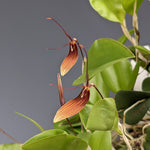
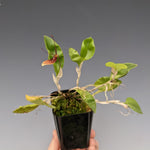
The images shown alongside our products are for illustrative purposes. These photos provide a realistic idea of what the plant may look like when properly cared for. The specifications listed refer to the plant you will receive. Please read the characteristics carefully before placing your order.
What are example images?
We offer an extremely wide and varied selection, with thousands of plants. As individual plants change shape, colour and size from week to week, it is impossible for our small team to photograph them all.
You will therefore rarely receive the exact plant shown in the photo. Our aim is to offer you a pleasant, environmentally friendly shopping experience with complete peace of mind.
If you prefer to browse the plants in person, we also have a physical shop. Please see our contact page for opening hours and further information.
-
Description
🌳 Description:
- Scientific name: Restrepia trichoglossa.
- Family: Orchidaceae.
- Genus: Restrepia, botanical species.
- Origins: Central America and northwestern South America, including Ecuador; grows epiphytically in humid mountain forests.
- Domestic use: A small orchid to be displayed in a temperate, humid, and well-ventilated environment. A position observable from close up allows you to appreciate the minute details of the flowers and the subsequent blooms of the clump.
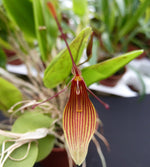
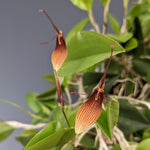
- Relevant characteristics: Forms clumps of slender stems enveloped by sheaths, each with an oval and leathery apical leaf, without pseudobulbs. The flowers feature united lateral sepals, decorated with fine reddish or purplish designs on a light background, and a small lip with hairy or fringed margins, alluded to by the epithet trichoglossa. The shades may vary between specimens.
- Average adult dimensions: Approximately 10–20 cm in vegetative height, with flowers measuring about 2–3 cm. The clump expands laterally, forming new growth.
- Flowering: Single flowers produced successively near the base of the leaves; mature clumps can bloom several times in favorable conditions. The period varies according to the environment and the vegetative cycle.
- Fragrance: Unscented.
🌞 Light exposure: Medium, filtered, and diffused light. Avoid direct sun during the middle hours and overheating of the leaves. Prefer a bright but sheltered position, without excessively deep shade.
🚿 Irrigation: Water regularly, keeping the substrate slightly moist, never waterlogged. The fine roots and the absence of pseudobulbs make it important to avoid prolonged periods of drought. Preferably use rainwater or reverse osmosis water and always allow excess to drain away. It does not require a dry rest period: adjust the watering frequency to the temperature and drying speed.
🌡️ Minimum tolerable temperature and growing temperature: Prefers intermediate conditions, approximately 18–24 °C during the day and 12–16 °C at night. Prudently maintain a minimum of about 12 °C and avoid prolonged cold and sudden fluctuations. Protect from persistent heat, especially above 28 °C, promoting air circulation and humidity without increasing root waterlogging.
🌱 Soil type and repotting: Use a fine and airy substrate that retains moderate moisture, for example, fine bark with sphagnum and perlite. Repot approximately every 1–2 years or when the material deteriorates, preferably when new roots appear. Handle the root system delicately and do not bury the base of the stems.
🌿 Fertilization: Apply a highly diluted orchid fertilizer every 2–3 weeks during active growth, to already moist roots. Alternate with water-only irrigation to limit salt accumulation and reduce the frequency when growth slows down.
✂️ Pruning or other recommended agronomic treatments: Does not require regular pruning. Keep the healthy stems and leaves after flowering, as they can produce new flowers. Remove only completely dry or damaged parts with clean tools and limit frequent division of the clump.
💧 Ambient humidity: Approximately 65–85%, accompanied by gentle and constant ventilation. A humidifier can help in dry environments. Avoid stagnant air and constantly wet leaves, especially during the night hours.
The dimensions are purely indicative and are intended for an adult plant.
How we ship your orchids
Discover more →